
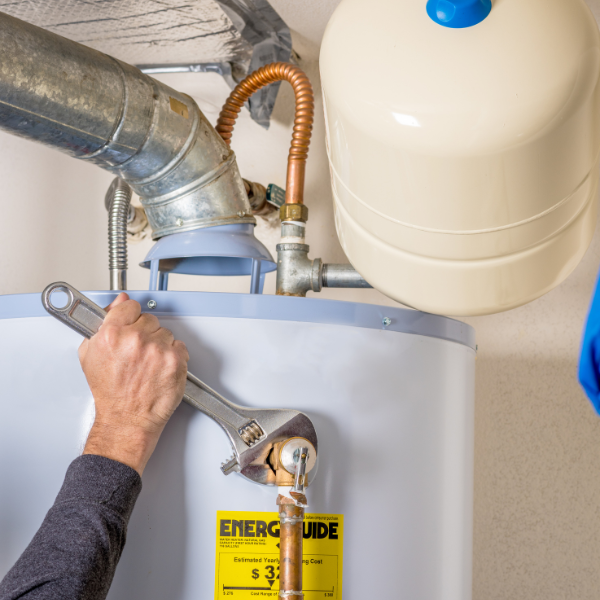
When a water heater tank fails early, it rarely feels predictable. One week, the hot water seems normal, and the next, there’s rusty water, popping noises, or a slow leak that turns into a replacement emergency. In many homes, the timeline is shortened by one overlooked component: the anode rod. This sacrificial metal is designed to corrode so the tank doesn’t. When it’s consumed too quickly or ignored for too long, corrosion shifts to the steel shell, and the clock on the heater speeds up. Understanding why that swap happens helps owners prevent surprise failures and protect property.
What the rest breaks down
- The Anode Rod’s Quiet Job Inside the Tank
Inside a typical storage water heater, the tank is steel-lined with glass, but that lining isn’t a perfect armor. Tiny cracks, seams, and threaded fittings create opportunities for water to contact steel. The anode rod exists to intercept corrosion through a simple electrochemical trade: it gives itself up first. Made from magnesium, aluminum, or a zinc-aluminum blend, it helps prevent corrosive attack so the tank walls don’t take the hit. This is why a heater can run for years without visible problems while the anode is being eaten away. The trouble starts when homeowners assume “no symptoms” means “no risk.” By the time rust shows up at a faucet or the drain valve, the protective rod may already be reduced to a thin wire, leaving the tank to corrode at the welded seams and around fittings. At that point, even flushing the tank or changing elements won’t reverse what’s happening, because the steel is now part of the corrosion reaction. The tank may still heat water, but it is quietly losing structural integrity.
- Why Some Anodes Disappear Faster Than Expected
Anode life isn’t measured only by time; it’s shaped by water chemistry and how the heater is used. Softened water, for example, can increase electrical conductivity, which can make an anode sacrifice itself faster. High chloride levels, certain municipal treatments, and naturally aggressive well water can also accelerate consumption. Temperature also plays a role: higher setpoints and frequent heating cycles increase chemical activity within the tank—even the rod material matters. Magnesium tends to protect aggressively but may deplete quickly in some water, while aluminum can last longer yet may behave differently depending on conditions. The result is that two identical heaters installed on the same day can age at very different speeds in different neighborhoods. Tulsa, OK, tankless water heater repair is a phrase people search for when hot water issues arise, but storage tanks often fail for reasons that began years earlier inside the tank. Another factor is sediment: minerals settling on the bottom create hot spots and turbulence that disturb the protective environment the anode relies on. When those conditions combine, the anode gets consumed early, and the tank enters a more fragile phase long before anyone notices.
- The Chain Reaction From Rod Loss to Tank Ruin
Once the anode is gone, the tank becomes the sacrificial metal. Corrosion often occurs at vulnerable points: welds, threaded ports, the area around the hot outlet, and areas where the glass lining is stressed by expansion and contraction. Rust can create pinholes that weep slowly, leaving stains under the heater or a faint metallic odor in hot water. In other cases, corrosion loosens scale and debris, which clog aerators, reduce flow, and make hot water look orange or brown after the system sits. As the inner surfaces degrade, the tank may also grow louder. Popping or rumbling can come from sediment layers insulating the bottom, forcing the burner or elements to overwork and creating localized boiling. That extra stress worsens lining cracks, exposing more steel, which accelerates further corrosion. It’s a feedback loop: less protection leads to more corrosion, which causes more debris, which increases heat stress, which damages the lining, which exposes more steel. By the time a leak becomes obvious, repair options are limited because the pressure vessel itself has been compromised. At that stage, replacing the anode may slow further damage, but it won’t restore weakened metal.
- Inspection and Replacement Without Guesswork
A practical prevention plan starts with checking the anode before the heater reaches the danger zone. Many tanks benefit from an inspection around year two or three, then at intervals based on what is found. The first check matters most because it reveals whether the home’s water chemistry is hard on anodes. A rod that is heavily pitted, coated, or reduced in diameter signals the need for earlier replacement. In contrast, a rod that still has substantial mass suggests a longer interval may be safe. Replacing the rod before it’s fully consumed keeps the corrosion reaction pointed away from the tank. The task is straightforward but not always easy: rods can be seized, clearance can be tight, and breaking them loose without damaging fittings takes care. Some owners choose segmented rods for low-ceiling installs. The choice of material should match the goal: magnesium for strong protection, aluminum blends for longevity in certain conditions, and zinc blends when odor issues suggest bacterial activity. After replacement, tracking changes in water color, odor, and heater noise provides ongoing feedback. This is also a good moment to confirm temperature settings and check for leaks at connections, because small drips can disguise larger corrosion problems.
How to Stretch Tank Life Even Further
An anode rod is central, but it works best when the rest of the system supports it. Keeping the temperature at a reasonable setpoint reduces stress on the lining and slows chemical activity. Flushing sediment periodically helps prevent hot spots that damage the tank bottom and accelerate rod depletion. If a home has a water softener, it’s worth understanding how softness affects corrosion rates and whether the heater needs more frequent anode checks. Expansion control matters too. In closed plumbing systems, thermal expansion can spike pressure, stressing seams that are already vulnerable when corrosion starts. A properly sized expansion tank helps stabilize that pressure swing. For homes with recurring odors, addressing bacterial growth and selecting the right rod can reduce the temptation to overheat the tank, which would otherwise accelerate corrosion. Finally, documentation turns maintenance into a habit: note the inspection dates, the rod’s appearance, and how much was left. That simple record makes it clear when the next check should happen and avoids the common pattern of waiting for symptoms. With the anode protected and operating conditions stabilized, many tanks last closer to their intended lifespan instead of failing early.
Premature tank failure often appears sudden, but it usually follows a slow handoff: the anode rod corrodes, then the tank begins to corrode in its place. When water chemistry, temperature, sediment, and pressure swings accelerate that process, the rod can disappear years earlier than expected, leaving the steel vessel exposed. Checking the anode on a schedule, replacing it before it’s consumed, and reducing stressors like sediment buildup and expansion spikes change the outcome. The payoff is simple: fewer leaks, cleaner hot water, quieter operation, and a heater that reaches a normal service life instead of dying early.
