
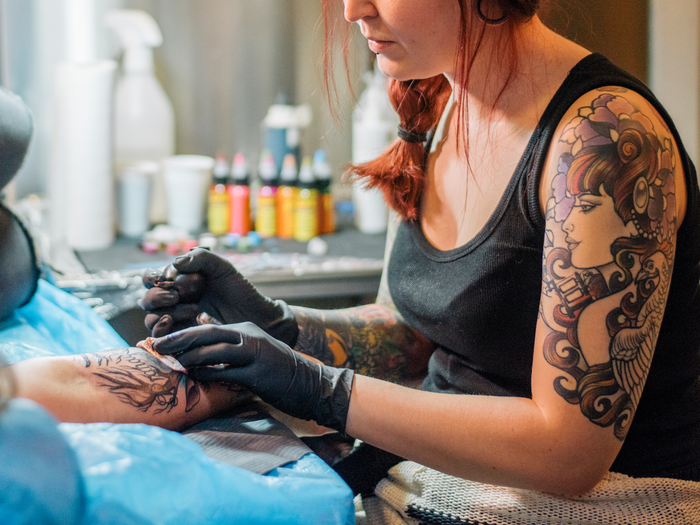
A tattoo and piercing studio depends on more than artistic skill and client trust. It also depends on how carefully the space is organized before any procedure begins. Sterile workflow zones help control movement, reduce unnecessary contact, and separate clean processes from contaminated ones during a service. That structure matters because hygiene failures rarely begin with one dramatic mistake. They usually start with small breakdowns in station setup, tool handling, glove use, or surface contact. A studio that organizes its workflow zones with discipline creates a safer environment for clients and a more controlled routine for artists and piercers, especially during busy appointment schedules.
Why Workflow Layout Protects Every Service
- How Clean Zones Guide Daily Movement
A sterile workflow zone is not just a clean-looking corner of the room. It is a defined working area where setup, procedure handling, and instrument control follow a deliberate pattern. In a well-run tattoo and piercing studio, staff do not move randomly between supplies, client seating, phones, registers, sinks, and procedure tools once the service begins. The goal is to reduce the number of times clean gloves or clean instruments come into contact with anything outside the prepared treatment area. This starts with a physical layout. The procedure station is arranged so the artist or piercer can reach essential items without crossing into non-clean areas or opening drawers after gloving up. Wash stations, sharps disposal, wrapped instruments, disposable supplies, and surface barriers are placed according to workflow, not convenience alone. That distinction matters because hygiene control depends on predictable movement. When a studio assigns clear boundaries to prep zones, active procedure zones, and cleanup zones, staff are less likely to contaminate surfaces through rushed habits. Good workflow design makes safe behavior easier to repeat because the room itself supports the process instead of working against it.
- Separation Between Prep And Procedure Areas
One of the most important aspects of sterile zone organization is the separation between the preparation and active procedure spaces. Before a tattoo or piercing begins, instruments, barriers, inks, jewelry, needles, and other materials are arranged in a clean setup sequence. Once the procedure starts, the prepared field should function as a controlled area, with only necessary contact. Studios that understand this principle do not allow the work zone to become a mixed-use surface where paperwork, drinks, personal items, phones, and procedure tools all compete for the same space. That kind of overlap creates avoidable contamination risk.
In contrast, a disciplined studio treats setup as its own stage, with items opened in order, surfaces covered in advance, and unnecessary objects removed entirely from the immediate procedure field. In many client-facing environments, including an Austin Piercing Shop, the strongest hygiene systems are often reflected not in how much equipment is visible, but in how intentionally the clean area has been stripped down to only what the procedure requires. This controlled separation helps staff maintain focus once gloves are on and the service is underway, because they are not forced to interrupt the process to search, reach across zones, or handle items that should have been excluded from the field from the start.
- Contaminated Zones Need Their Own Logic
A sterile workflow only works when contaminated items have their own clear path out of the procedure area. This is where many people misunderstand studio hygiene. They focus on how clean tools enter the station, but the exit path for used gloves, packaging, wipes, needles, gauze, barrier films, and surface contamination matters just as much. Tattoo and piercing studios organize sterile workflow zones effectively by treating cleanup as a separate operational stage with its own logic. Sharps containers must be within reach but positioned so they do not interfere with the clean field. Waste disposal should allow staff to discard used materials without crossing back over sterile supplies. Reusable instruments that require further processing should move directly into designated holding or decontamination procedures rather than lingering near the fresh setup area. This organization reduces the chance that used items will remain in the workstation longer than necessary or accidentally re-enter the clean zone. It also helps the studio manage turnover between appointments more reliably. When contaminated material has a defined path, the room can be reset with less confusion and less reliance on memory. The result is a workflow that protects both the active client and the next one by preventing overlap between breakdown and re-preparation.
Strong Zone Design Supports Safer Services
A tattoo and piercing studio organizes sterile workflow zones to create order where hygiene cannot be left to chance. Clean preparation areas, controlled procedure fields, and separate contaminated exit paths all help reduce contact mistakes that could compromise client safety. This structure matters because procedures move quickly, and without defined zones, small errors become much easier to make. A studio that builds its room around workflow rather than appearance alone gives artists and piercers a stronger foundation for safe, consistent service.
That is why sterile zone organization should be viewed as part of the studio’s core professional standard. It improves setup, supports better glove discipline, simplifies cleanup, and reduces confusion during active procedures. Clients may not always notice every workflow detail, but they benefit from the consistency it creates. In tattoo and piercing work, a carefully organized station is not just efficient. It is one of the clearest signs that the studio takes safety seriously from start to finish.
