
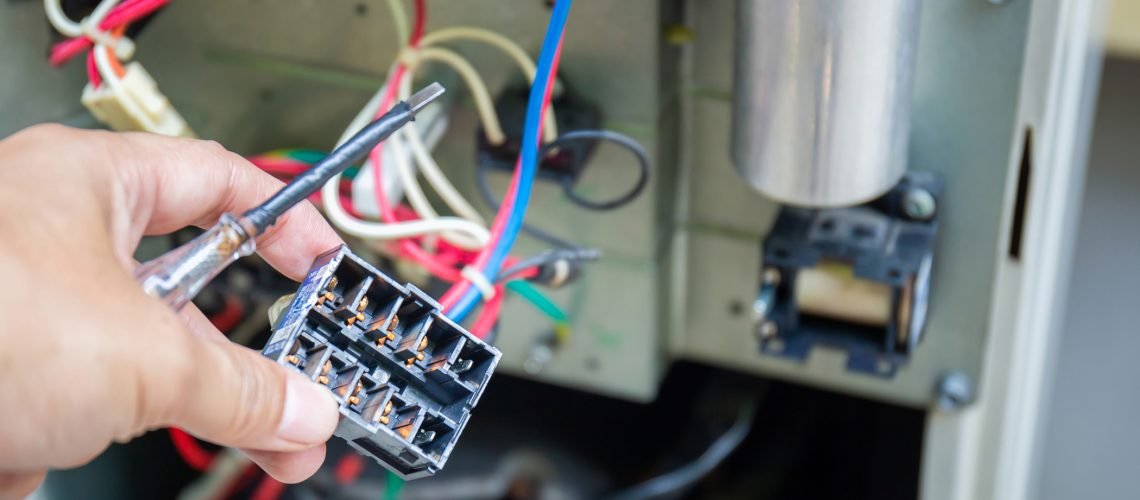
An HVAC unit can still run while being one service call away from a shutdown. That is the problem with worn contactors: they often fail gradually, quietly, and at exactly the wrong time.
For property managers, facility managers, and building owners, contactor wear is not a minor electrical detail buried inside a panel. It is a reliability issue that affects startup performance, cooling consistency, equipment life, and emergency repair risk. HVAC contractors inspect contactors because these components switch high-demand loads repeatedly, which can cause wear. Catching wear early can prevent nuisance failures, protect larger components, and keep cooling systems operating predictably during peak demand.
Hidden Condenser Restrictions Still Cool
- Why Contactor Wear Gets Overlooked
Contactor wear is easy to miss because the unit may appear normal until it suddenly isn’t. The thermostat calls for cooling, the equipment usually starts, and no one sees the progressive damage developing on the contact surfaces or coil. From the outside, the system can look dependable, while the switching component inside is becoming less consistent with every cycle.
That gap between appearance and condition is exactly why contractors inspect contactors during maintenance visits instead of waiting for a no-cool emergency. In busy facilities, comfort complaints may be blamed on thermostats or occupancy changes first, while a worn contactor is creating intermittent starts or unreliable operation in the background. Electrical wear does not always announce itself with a dramatic failure; it often manifests as inconsistent behavior long before a complete shutdown.
- Repeated Cycling Creates Real Electrical Stress
Contactors are designed to switch electrical loads on and off, but each cycle imposes a small amount of stress. Over time, arcing during opening and closing can pit, burn, or carbonize the contact surfaces. As wear accumulates, the contactor may not close cleanly, chatter, or create resistance that affects equipment operation.
This matters in commercial settings where units cycle frequently across long cooling seasons. Contractors working with high-demand properties, including multi-tenant offices and sites managing regional operations like a Phoenix office, often pay close attention to contractor condition because frequent run cycles and heat exposure can accelerate wear. The contactor may still function, but the reliability margin shrinks, and that is when intermittent problems start appearing at the worst possible times.
- Worn Contactors Mimic Other HVAC Problems
One reason inspections are so important is that contactor wear can mimic other faults. A unit may fail to start consistently, short-cycle, buzz during startup, or intermittently stop responding, leading building staff to suspect thermostat issues, capacitor problems, or control board faults. Those possibilities are real, but a worn contactor can produce similar symptoms and lead to an incorrect diagnosis if it is not checked early.
Contractors inspect contactors to narrow the problem and avoid unnecessary part replacement quickly. A visually worn or electrically unstable contactor can explain startup hesitation and erratic operation without requiring deeper component replacement. In practice, this saves time and reduces the need for repeat calls. For property teams, accurate diagnosis is not just a technical win; it means less downtime, fewer disruptions, and more confidence that the repair actually addressed the root cause.
- Contact Surface Damage Reduces Reliability
The contact surfaces inside a contactor carry a heavy load, and wear on those surfaces directly affects performance. As pitting and burning increase, the electrical connection can become less reliable. That can create voltage drop, heat buildup, and inconsistent current flow to the compressor or fan motor. The equipment may run, but it may not be receiving stable switching performance.
Contractors inspect for signs of surface damage because this wear can escalate quickly once it reaches a certain point. A contactor with mild wear may still operate acceptably for a period, while one with severe pitting or carbon buildup may begin to stick or fail under load. The practical value of inspection is timing. Replacing a worn contactor during scheduled service is a controlled repair. Replacing it during an outage is usually more expensive and more disruptive.
- Coil Problems Can Trigger Intermittent Operation
Contactor inspections are not limited to the contact points. Contractors also evaluate the coil, which energizes the contactor and pulls the contacts into position. A weak or failing coil may not pull in consistently, especially during voltage fluctuations or high heat conditions. This can lead to chattering, delayed startup, or repeated attempts to engage the system.
Intermittent coil issues are easy to misread because the problem may disappear while the technician is on site. That is why contractors inspect physical condition, listen for unusual sounds, and test operation under normal demand when possible. A contactor coil that is beginning to fail can create inconsistent cooling performance that looks random to occupants but follows a clear electrical pattern when checked properly. Early inspection helps catch that pattern before it turns into a full no-start condition.
Small Component, Big Reliability Impact
HVAC contractors inspect electrical contactors for wear because contactors sit at a critical point between control signals and equipment operation. When they degrade, systems become less reliable, startup behavior becomes inconsistent, and larger components can experience unnecessary stress. The damage often develops gradually, which makes inspection far more valuable than waiting for failure.
For property managers, facility teams, and building owners, the practical takeaway is simple: contactor inspection is not electrical housekeeping. It is preventive reliability work. A timely inspection can catch wear before it becomes a no-cool event, reduce repeat service calls, and protect more expensive equipment from avoidable strain. In commercial HVAC operations, that kind of attention to small components is often what keeps larger systems stable when demand is highest.
